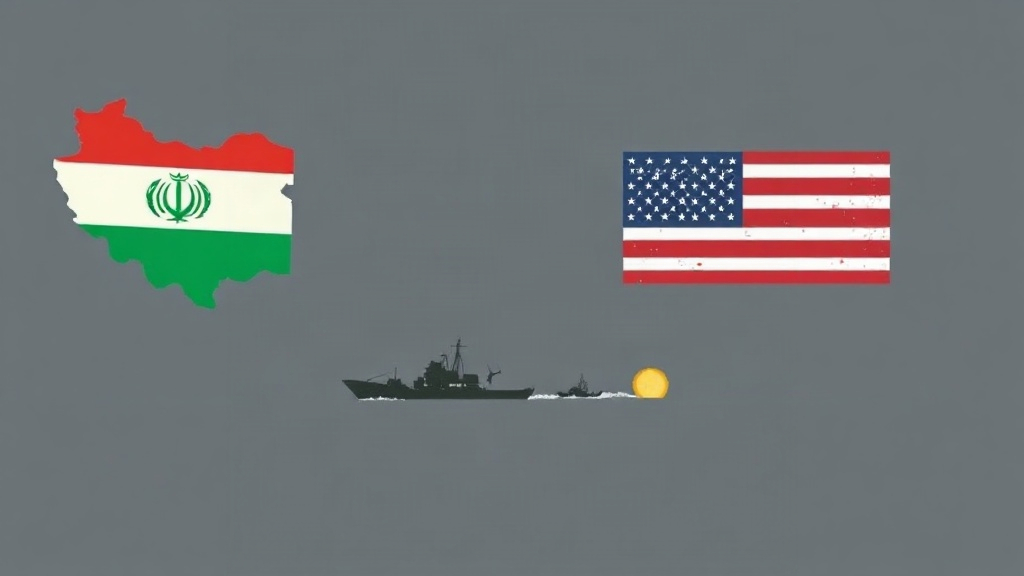
Pakistan's army chief Field Marshal Asim Munir is heading to Tehran on Monday, August 24, in a high-stakes diplomatic mission that underscores Islamabad's growing role as the principal intermediary in the Iran-US conflict — a war now entering its seventh month with no clear end in sight.
A Mediator Steps Into the Storm
Iran's Foreign Ministry confirmed the visit on Sunday, with spokesperson Esmaeil Baghaei stating that Munir would travel to Tehran "to continue efforts to bring peace and security to the region." [1] Two Pakistani government sources independently verified the trip to Reuters, with one noting that Iran and Pakistan remain in direct contact at the highest levels. [1]
The timing could hardly be more fraught. Munir's arrival in the Iranian capital coincides with a Monday announcement from Washington detailing what US officials have described as "the toughest sanctions in history" on Iran — a package that Tehran has already signaled it will not absorb quietly. [3] Iran has threatened a military response to the planned measures, which are designed to further squeeze an economy already under severe strain. [4]
What's on the Table
According to a Pakistani government source, the agenda for Munir's talks with Iranian leaders is broad and consequential. "He will discuss peace under Islamabad's MoU, Trump's warning and the situation after the Pakistan-Turkey-Saudi Arab Agreement and Houthi issues with Iranian leaders," the source told Reuters. [1]
That agenda maps the full complexity of the current crisis. The reference to a memorandum of understanding suggests Islamabad has formalized at least some elements of its mediation framework. The Pakistan-Turkey-Saudi Arabia agreement — the details of which have not been fully disclosed in available reporting — appears to represent a coordinated regional diplomatic effort that Iran must now weigh against Washington's escalating pressure. The Houthi dimension adds a further layer: the Yemen-based group's continued activity in the Red Sea and surrounding waters remains entangled with the broader Iran-US confrontation.
The Strait of Hormuz Factor
One of the most acute pressure points shaping this diplomacy is the Strait of Hormuz, through which a substantial share of the world's seaborne oil passes. Oil shipments through the waterway are currently at a virtual standstill, with Tehran threatening to strike any unauthorized tankers attempting to transit the vital chokepoint. [3] The economic consequences of a prolonged closure would ripple far beyond the immediate belligerents, affecting global energy markets and supply chains.
Iran's economy was already under immense pressure from existing sanctions before the February outbreak of hostilities, and the prospect of an additional, more sweeping sanctions regime has sharpened Tehran's sense of urgency — and its willingness to signal military escalation. [4] President Donald Trump has warned of economic consequences for any country that provides "any type of lifeline to Iran," a threat that places Pakistan's own mediation role in a delicate position, as Islamabad must maintain working relationships with both sides simultaneously. [3]
Pakistan's Unlikely Diplomatic Rise
The visit is the latest chapter in what has become a remarkable diplomatic ascent for Pakistan in this conflict. Since US and Israeli strikes on Iran in February 2026 triggered the war, Islamabad has carved out a mediator role that few would have predicted. [2] That role was on display most visibly in June, when Munir participated in a quadrilateral meeting between the United States, Iran, Pakistan, and Qatar at the Bürgenstock resort in Switzerland — a venue that gained international recognition during earlier diplomatic efforts in Europe. [1]
Pakistan's position is structurally unusual: it is a nuclear-armed Muslim-majority state with longstanding ties to both the Gulf monarchies and Iran, and it has cultivated a functional, if complicated, relationship with Washington. That combination of relationships — rather than any single alliance — appears to be the source of Islamabad's leverage.
What to Watch
Several developments in the coming days will indicate whether Munir's Tehran visit produces any tangible movement. The Monday sanctions announcement from Washington will set the immediate tone: if the measures are as sweeping as US officials have suggested, Iran's response — diplomatic or otherwise — will define the next phase of the conflict. [4]
Equally significant will be whether Tehran signals any flexibility on the Strait of Hormuz, where the standstill in oil shipments represents one of the most direct levers Iran holds over the global economy. Any softening — or hardening — of that position following Munir's visit would be a telling indicator of how the talks landed.
The durability of the Pakistan-Turkey-Saudi Arabia alignment also merits close attention. A coordinated regional bloc capable of presenting Iran with a credible off-ramp, while simultaneously reassuring Washington that its core demands are being addressed, would represent a significant diplomatic achievement. Whether that architecture holds under the pressure of the new sanctions announcement remains to be seen.