Trump Orders Three Major Outlets Barred from White House
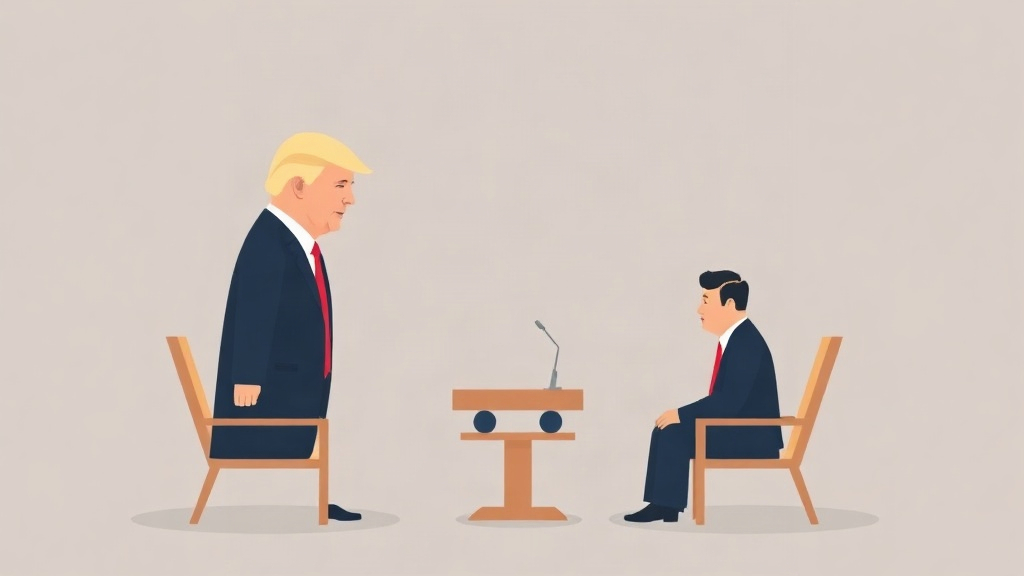
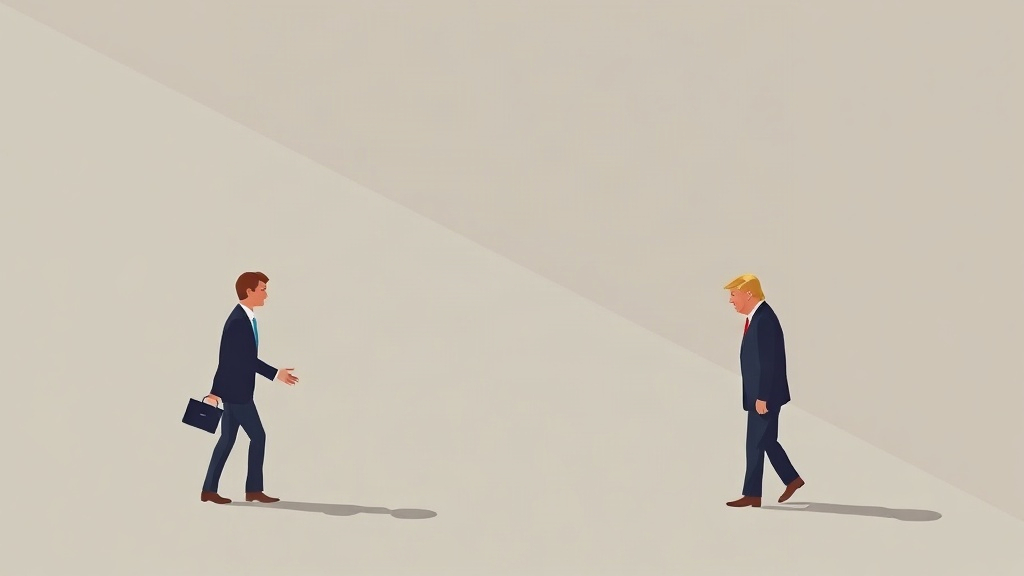
President Donald Trump announced Friday that CNN, MS NOW, and Politico are banned from the White House, effective immediately, citing what he called persistent "fake news" coverage of his administration. The move drew swift condemnation from press freedom advocates, legal scholars, and the affected outlets themselves, all of whom warned the action is unconstitutional and likely to be struck down in court. [1]
Trump announced the ban via social media, writing: "I am proud to announce that, effective immediately, I am banning Fake News CNN, MSNOW … from the White House as a result of their constant 'reporting' FAKE NEWS!" [1] He added that "other Fake News Media Outlets" could follow, a warning he repeated later in the Oval Office when he said there "may be others to join them" without naming specific outlets. [3]
When asked why the announcement came on a Friday afternoon, Trump offered no strategic explanation. "It's really just cumulative stories over the last few years," he said. "You get sick of it." His social media post cited no specific articles or broadcasts that triggered the decision. [3]
Outlets Vow to Fight Back
The three targeted organizations responded quickly and defiantly. CNN called a potential ban illegal and said it "stands fully behind our White House team and their fair and accurate reporting," adding: "We have a right under the US Constitution to do that reporting without hindrance or interference from the government." [3]
Politico said it "will continue to fairly report on this White House and future ones" and pledged to "vigorously defend our First Amendment rights against any attempt to restrict them." [3] MS NOW, formerly known as MSNBC, declined to comment. [3]
Notably, the ban did not appear to take immediate physical effect. Reporters from both Politico and CNN were still present on White House grounds shortly after Trump's announcement, and a CNN crew was traveling with Vice President JD Vance to and from an event in Iowa. [3]
Legal Experts Say the Ban Won't Stand
Press freedom organizations and constitutional lawyers were unequivocal in their assessments. The Knight First Amendment Institute at Columbia University said the action is "doubly unconstitutional," arguing that because the White House press pool functions as a "public forum" under the First Amendment, the president cannot exclude journalists on the basis of their viewpoints. The institute's executive director, Jameel Jaffer, noted that "with so many courts having ruled against him on exactly this point, you'd think President Trump would have learned this lesson by now." [3]
The Reporters Committee for Freedom of the Press predicted the ban would be quickly struck down, calling it "flatly unconstitutional." Its president, Bruce Brown, described the move as "textbook viewpoint discrimination," explaining: "The First Amendment is clear that once the White House invites in some journalists, it can't ban others because it doesn't like their reporting." [3]
Al Jazeera's Alan Fisher, reporting from Washington, pointed to historical precedent as a caution. "Other presidents have been angry at press coverage before. Lyndon B Johnson used to rail about it. Richard Nixon wondered whether or not he could ban certain people from the White House as well," Fisher noted. "At every point, they were told it's not a good look." [1] Fisher added that the ban will likely face a legal challenge quickly, given First Amendment protections against government restrictions on press access. [1]
Trump himself appeared to anticipate litigation, saying he thinks "it's good to point it out, whether it survives or doesn't." [3]
A Pattern of Press Confrontation
Friday's announcement fits a broader pattern of escalating conflict between the Trump administration and mainstream media organizations since Trump returned to office in January 2025. [3]
In February, the White House took control of the press pool — an arrangement that had been managed by the White House Correspondents Association for more than a century. That same month, the administration barred Associated Press reporters and photographers from restricted-access spaces, including the Oval Office and Air Force One, because the outlet continued using the term "Gulf of Mexico" rather than "Gulf of America." The AP filed a lawsuit, and that case remains ongoing. [3]
Trump has also moved to expand access for conservative bloggers, influencers, and non-traditional media figures, arguing this provides greater diversity of perspective to the American public. [3]
The White House Correspondents Association president, Jacqui Heinrich — who works for Fox News — issued a statement in defense of the targeted outlets, framing the issue as one that extends beyond journalism. "This is about more than the rights of journalists," she said. "It is about the right of the American people to receive a full and independent account of the activities, policies and decisions of whoever occupies the nation's highest office." [3]
The episode echoes Trump's first term, when he banned CNN correspondent Jim Acosta from the White House. Acosta's credentials were restored after CNN filed a lawsuit. [3] CNN is one of only five U.S. news outlets that film video for the White House pool — a role that makes its exclusion particularly consequential for how presidential events are documented and shared across the broader media ecosystem. [3]
What to Watch Next
The critical near-term question is whether any of the three outlets file for emergency injunctive relief, as the AP and CNN have done in past confrontations with this administration. Courts have consistently ruled against viewpoint-based exclusions from press access, and legal experts expect similar outcomes here. Watch also for whether Trump follows through on his threat to ban additional outlets — and whether the White House Correspondents Association takes further collective action in response.